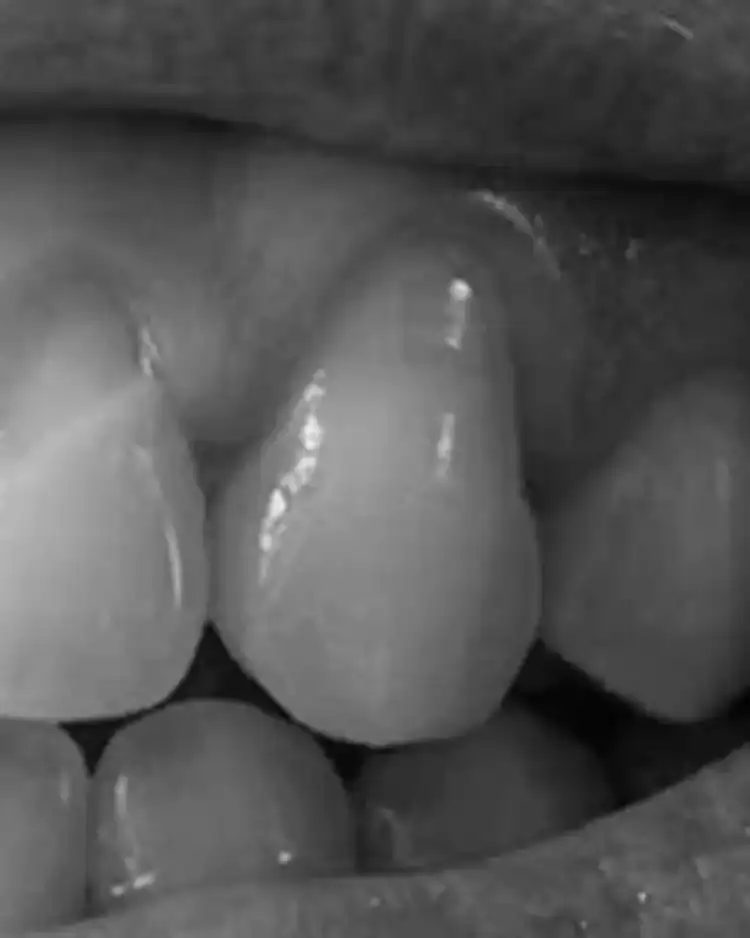
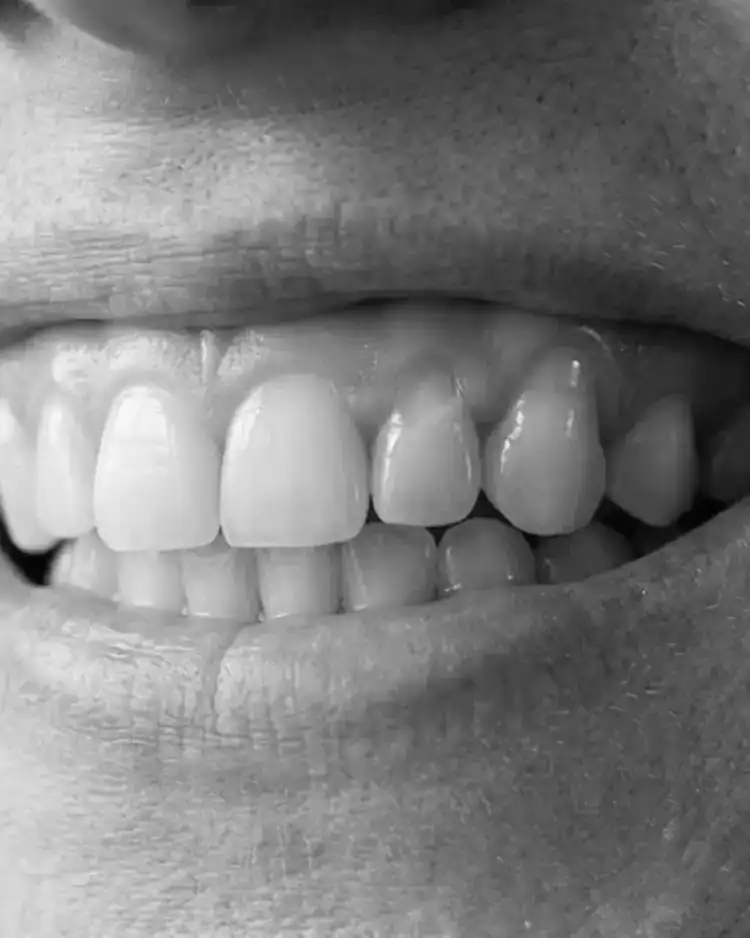
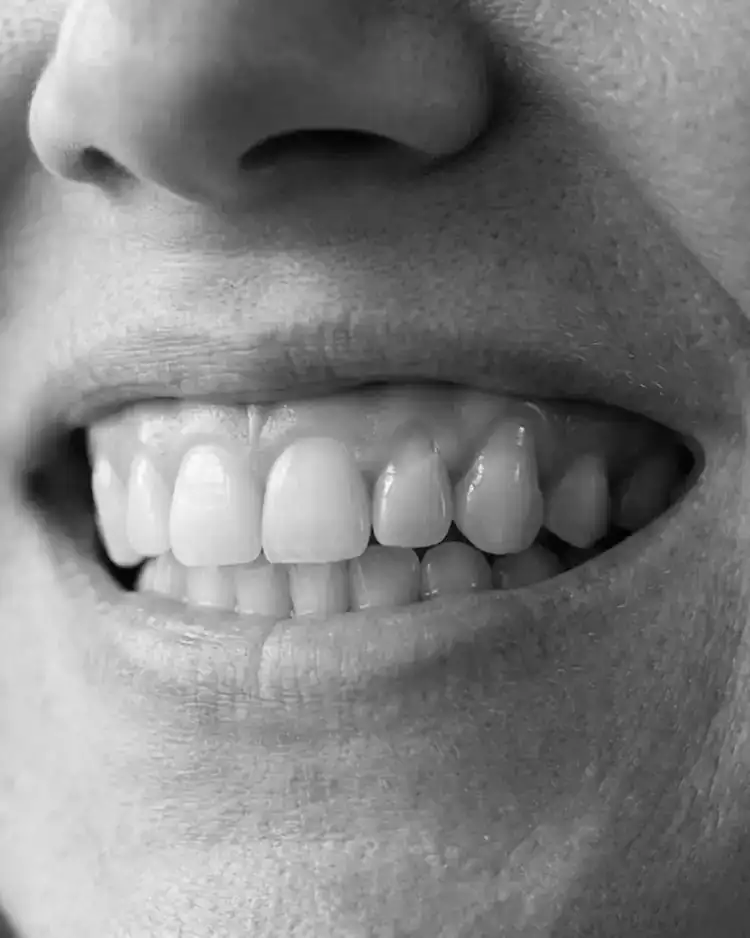


For dentists who want to treat the cause, not just the damage it leaves
The Tooth Wear Workup
the patient behind the wear
By the end, you will read the type of wear on the tooth, weigh the mechanisms that fit that wear, trace where they come from, and manage what you find.
The shape of the lesion points to the mechanism. What produces it sits outside the tooth, so you look past the mouth and at the patient: their habits, their routine, the way they live.
USD 700 · one-time payment
Payment happens on Hotmart, off this page. Access is for life. 15 days to ask for a refund, no reason needed.
From the shape, you suspect tension, biocorrosion or friction. Each one opens a new question.
Tension (abfraction)
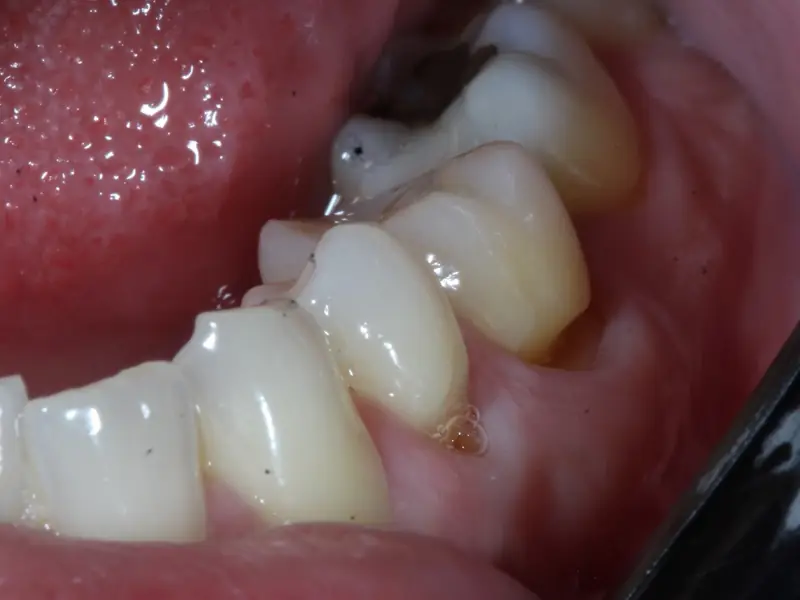
It does not tell you what is loading that tooth. Biocorrosion (erosion)
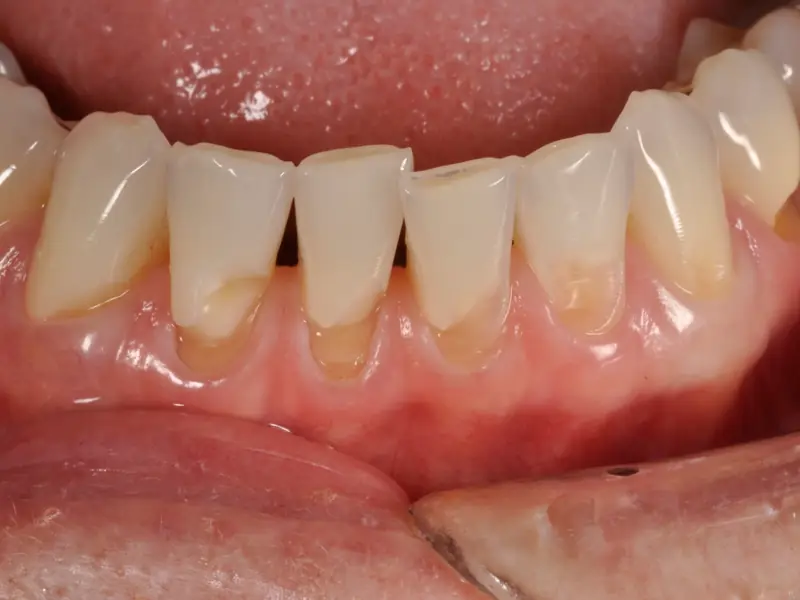
It does not tell you where that acid comes from. Friction (abrasion, attrition)
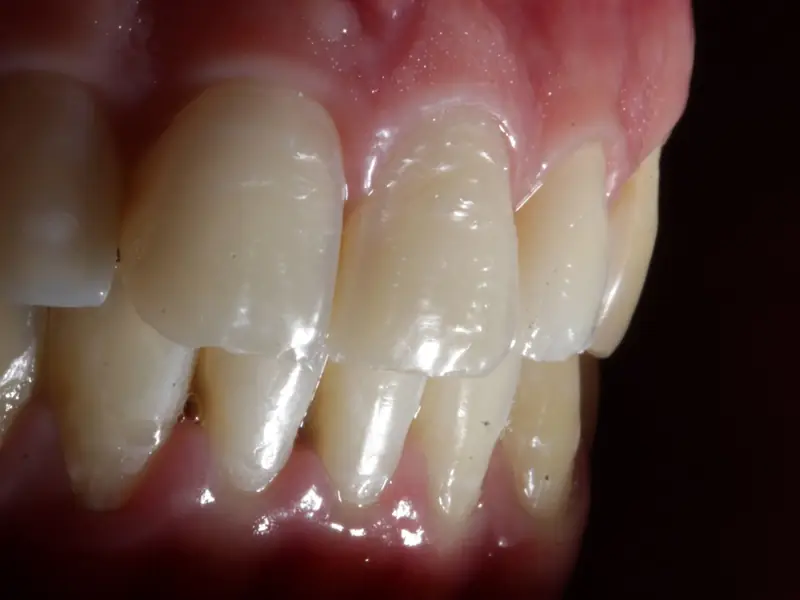
It does not tell you which habit is driving it.
Prefer to see it on real cases first? Watch one lesson from the program
The damage was treated. The cause was not, and that is what brings the patient back.
A patient comes in with tooth wear. The dentist names the mechanism, and the procedure goes in. On paper, a complete appointment. The step that was missing decides everything after it: finding and treating whatever produces the wear. Some time later the patient is back. The teeth are more worn, and the work is heading toward failure.
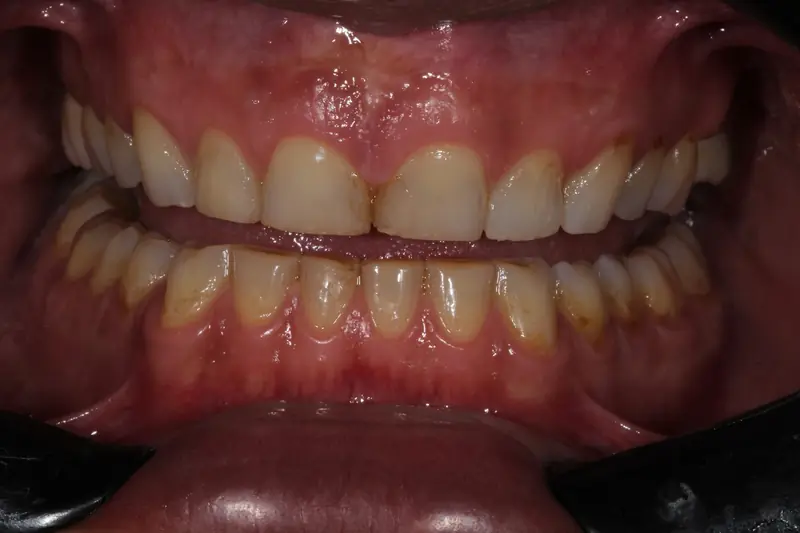
Wear becomes disease when the 4 axes push the mouth past what it can repair. And you can name which ones.
Risk multiplies where the axes cross.
Gastric.
Acid that arrives from the inside. What to ask, which test to order, and how to read the report when it comes back.
Dietary.
Acid that arrives from the outside, and the eating behavior behind it.
Psychological.
Load that reaches the mouth as behavior. Anxiety arrives through the muscles, as clenching; the drug that controls it dries the mouth and cuts salivary protection; the compulsion to stay clean arrives on the toothbrush.
Sleep.
The hours you cannot see from the chair. You read them from the patient's own night and from the whole report, not from the top line of it.
Gastric and sleep.
The same hours deliver two attackers on one clock: the acid that comes up and the clenching that comes with it. Reflux and an airway problem feed each other in both directions.
Gastric and dietary.
The meal sets how much of the patient's own acid waits in the stomach. Fat keeps it there longer, and a large volume pushes it up.
Psychological and dietary.
Anxiety and depression send the patient to soft drinks and sweets for comfort. If the advice targets only the plate, that patient tends to swap one acidic item for another.
Psychological and sleep.
Stress shortens the night, and the short night hands back a patient with less control the next day, which feeds the stress again. The drug that calms one acts on the other.
Psychological, gastric and sleep.
Some of the medications an anxious patient takes to sleep also dull the brief arousal that ends a reflux episode. The patient sleeps on; the acid stays much longer.
Gastric, dietary and sleep.
Alcohol at night loosens the antireflux barrier. When the patient lies down less than 3 hours after dinner, the stomach is still full. The acid rises while saliva is at its lowest.
Psychological, gastric and dietary.
One emotional root opens acid from the outside and from the inside at once, and 5 different conditions arrive at the same lesion.
Psychological, dietary and sleep.
When anxiety keeps the patient awake, they drink to sleep. It seems to work, so they stop looking for help. The alcohol gives them the broken kind of night that comes with grinding.
POAS.
Premature Oral Aging Syndrome. Its severe cases hide here, where all 4 axes act on the same patient. If you stop at the first axis you name, the other 3 keep working.
You already have all 7 of these patients on your schedule.
Many of them live what counts as a healthy life. Are you connecting what they do all week to what you see in their mouth?
Before you run this on your own patient, check the dentist who set the order

I am Guilherme Cabral. I still work chairside, and the wear on this page is wear I see on my own patients.
I have been in practice since 2020, and in an ordinary year about 300 of these cases come through my own chair.
Going back through the literature, I wrote down what I found in the order a clinician needs it, which is not the order it gets published in.
I ran that appointment for years before I changed it. If you have restored one of these lesions twice on the same patient, we have run the same one.
What you'll walk away able to do about tooth wear.
Module 1 changes your first appointment with a wear patient: what you check, and what you ask before you choose a procedure. From there the program adds up to 26 hours, all of it on this one problem. Forty lessons so far, and new ones keep landing inside these same three modules.
Each module sets up the next: the mouth in front of you, the force that carved it, and the life that keeps manufacturing that force.
Two screens from each module, as you see them with a lesson playing.
Module 1 · Foundations of Diagnosis.
Two mouths look identical in the photograph and sit at different stages of the disease. You can tell which is which.
You get the vocabulary and the reading tools the whole diagnosis rests on: you name the lesion by site and mechanism rather than by a single cause, and you stage the disease without counting lesions.
- What Non-Carious Disease Is and How to Name It
- The Five Signs: What to Check in Every Mouth
- Where the Disease Comes From: Gastric, Psychological, Dietary and Sleep Axes
- Staging: Stages 0 to 3 and the Five Factors of Success
- Who to Refer, When and How: Building Your Care Team
- Educational Anamnesis: The First Appointment, Step by Step
Module 2 · The Mechanisms of Action.
You look at the shape and the striations and you narrow down the mechanisms that could have carved that wear.
- Introduction to the Mechanisms: Tension, Biocorrosion and Friction
- The Physics of Stress, Part 1
- The Signature in the Lesion, Part 2A
- The Fracture: When Tension Cracks the Tooth, Part 2B
- The Whole Patient, Part 2C
- The Triggers of Tension, Part 3
13 more lessons
- Managing Tension, Part 4
- Tension: Practical Cases, Part 5
- The Chemistry of Biocorrosion, Part 1
- The Signature of the Acid, Part 2
- The Acid That Comes from Outside, Part 3A
- The Acid That Comes from Inside, Part 3B
- Managing Biocorrosion, Part 4
- The Physics of Friction, Part 1
- The Signature of Friction, Part 2
- The Triggers of Friction, Part 3
- Managing Friction, Part 4
- Synergy: The Three Mechanisms as One System
- Module 2: Synthesis and Close
Module 3 · Risk Groups.
When the patient sits inside more than one circle of risk, you see all of them and you decide where to start.
You get the work that happens outside the mouth: you order the tests and you read them, you run the screening instruments and you score them, and you write the referral to the right specialist with the finding documented.
- Risk Groups: From Mechanism to Patient
- The Psychological Axis: Stress, Anxiety and the Patient Who Clenches
- The Sleep Axis: Insomnia, Snoring and Apnea
- The Gastric Axis: Reflux, Vomiting and the Barrier That Fails
- The Dietary Axis: Diet, Risk Profiles and the Food Diary
- Psychological + Sleep Overlap: The Comorbid, Medicated Patient
9 more lessons
- Bruxism: Behavior, Diagnosis and the Splint
- Eating Disorders and Emotional Reflux: Five Conditions, the Same Lesion
- Nocturnal Reflux, Dry Mouth and Clenching: The Damage That Adds Up in Sleep
- Risk Group: Athletes and Workers
- Risk Group: Substances, Stimulants and Young Patients
- Risk Group: Systemic Disease, Radiotherapy and Polypharmacy
- Risk Group: Post-Orthodontic, the Risk Dentistry Creates
- The Multi-Group Patient: How to Prioritize When the Risks Stack
- The New Era in Dentistry: Why Non-Carious Disease Will Define the Coming Decades
A complete guide to working a disease that is multidisciplinary.
- The validated screening instruments you learn to apply axis by axis, each one aimed by what the exam and the conversation already gave you.
- A cut-off for each instrument, so its own score decides who you write to that day.
- A home tool for the sleep axis, the one your patient already carries on their phone.
- The tests from other specialties taught through reading the report, not just ordering them, so what comes back means something to you.
- The conversation with clinicians outside dentistry: what to ask for, what to look at, how to read what comes back, and how to write the referral so the person on the other end acts on it.
And you're not doing this alone. The program has a room for the dentists inside it. When a lesson raises a question about one of your patients, you bring the case to people working the same problem.
Payment happens on Hotmart, off this page. Access is for life. 15 days to ask for a refund, no reason needed.
Before you decide, watch one whole lesson. It's open on its own page, under the title Read the wear wall by wall for clues to the agent: four real cases, each one followed to the mechanisms that could have made it. No charge, no sign-up.
Watch the open lessonThe patient behind the wear is already in your chair.
These numbers measure how many people live with these exposures.
Notice that the factors driving this disease sit inside our patients' lives, and the trend points up. People chase a better quality of life and end up with more acid on the plate; they work more and sleep worse; they get older and take more medication. Every year, more of them cross into these bands.
An area almost nobody works, and it keeps growing.
The factors that produce wear (acid diet, medication that dries the mouth, poor sleep, anxiety, and others belonging to the same disease) are modern life. And the counts of people carrying those factors are climbing: the population aged 60 and over doubles, from 12% to 22%, by 2050 WHO; the use of multiple medications in adults more than doubled in two decades PMID 37434230; anxiety and depression jumped more than 25% in a single year PMID 34634250. Every year, more patients enter these risk groups.
The same axes, now measured twice: each pair below is the same outcome at two points in time.
On the other side, almost no dentist was trained to read the cause of that wear. Demand climbing, supply barely there: the room to be the dentist who resolves it, and not only patches it, is open. You take that place one patient at a time. The first one is the next person who sits in your chair with a worn tooth and a cause that still has no name.
“Is any of this in the literature?” Eight papers, grouped under the four questions a wear case raises.
Several of the papers behind this program sit in an open group, and that is where questions about the course get answered. Your own patient cases and the full papers sit in the students' group.
Seven things you get, six of them built for the patient behind the wear.
Together, they give you a new way to run a tooth wear case, from diagnosis to referral: the shape of the lesion tells you what to ask, and the screening score tells you which patient to refer.
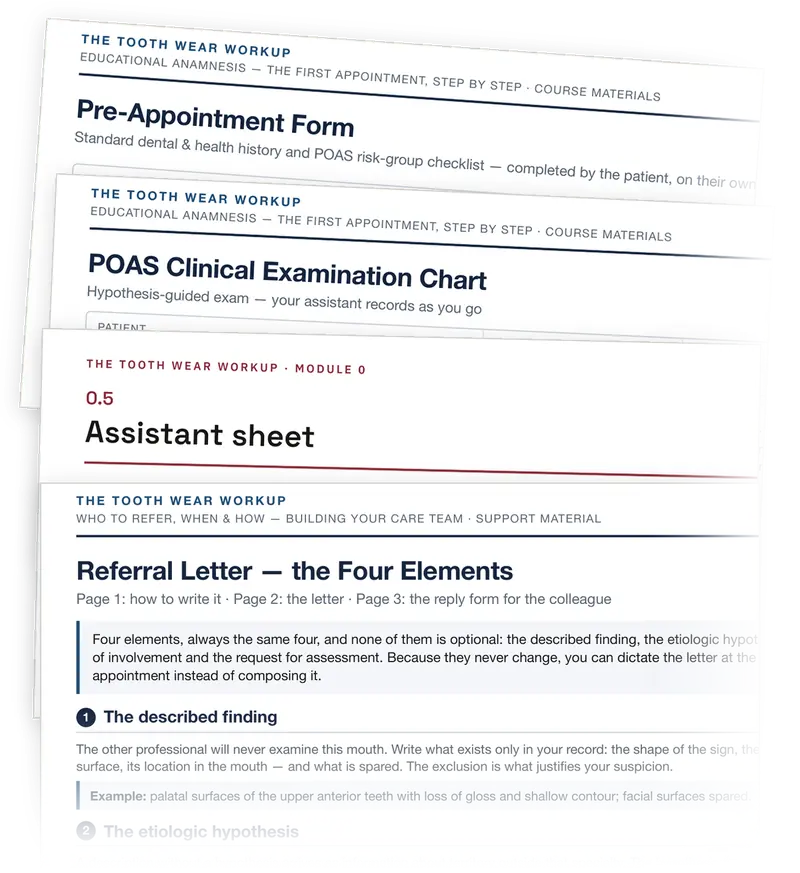
A patient with tooth wear sits down in your chair. Your assistant writes as you call out what you see. The shape of the wear points to the questions, and you ask them. When one screening score lands above its cut-off, you finish the referral letter before the patient stands up. Then you decide what to restore, knowing what is still at work in this person.
What dentists ask before they buy.
Is this an occlusion course under another name?
No. Occlusal load is one of the forces this program teaches you to read, and it stays in your exam exactly as it is today. Sometimes load leads the case. Sometimes it comes along behind. What this program adds is the next question: besides load, what else is acting on that same tooth? What you find in the patient decides what you do.
I already know the three mechanisms. What is left to learn?
Then you know the three exist. In Module 2 you work out which ones could have carved the lesion, from its shape and striations. You still need to find where those mechanisms come from in this patient. Module 1 lays out the four axes: gastric, psychological, dietary and sleep. Module 3, which takes up more than half of the program's hours, works each axis in depth, then moves to the patient who sits on two or more. That is what separates naming the mechanisms from controlling the disease.
Does it count for CPD?
In the UK, Ireland and Australia, you can log it yourself as 26 hours of CPD. You get the certificate after you complete every lesson, pass each module quiz and send the feedback form. Today it doesn't count toward US state board requirements, and I'm working on validating it for them. If you practice in Canada or New Zealand, the CPD information page lists what applies there.
I'd like to watch a few lessons before I decide.
Start with the one that's already open: a lesson from The Tooth Wear Workup, on its own page, with no charge and nothing to sign up for. Its title is Read the wear wall by wall for clues to the agent. The rest opens when you buy, and the 15-day guarantee covers whatever doubt you still have. I'm confident enough in what's inside to make it unconditional. If you decide the program isn't what you were looking for, you request the refund yourself on the platform, inside the window. No reason given, no approval from me.
Are there real cases, or is it someone talking over slides?
Some lessons are nothing but worked cases, start to finish. Clinical claims are taught with the source named, author and year, including the ones that cut against the easier argument.
Abfraction has never been proven.
Tension, which many people call abfraction, is not a myth. In bench tests, load speeds up the loss of enamel and dentin where acid is present. What gets confused is treating tension as the only cause. It plays a part, but not on its own. The course shows exactly where it enters, with the science named, author and year, and how to weigh it against the other two mechanisms in the case in front of you.
I do not do restorative work.
You do not have to treat the disease to run into it. The factors that destroy tooth structure do not stop when the procedure ends. They keep working on what you have just done. Whatever your field, you hand your work over to a mouth where those factors are still active. Knowing which of them is running in that patient is what holds your treatment up.
I am not sure about the platform.
The platform is Hotmart, one of the largest in the world for digital courses. Checkout is secure, and Hotmart processes the payment. Access is immediate, and inside the 15 days you request the refund yourself, straight on the platform. The structure is already built to protect you.
Can I pay in installments?
In some countries, yes. Whether Hotmart offers installments depends on your country and your card, and if it does, you'll see the option at checkout. Pay that way and the whole course opens with the first installment, under the same 15-day guarantee.
Is this only about cervical lesions?
No. The category is loss of tooth structure, and the same disease shows up as non-carious wear anywhere else on the tooth, along with cracks, dentin hypersensitivity, pulp calcification and gingival recession. This page starts at the cervical lesion. The course does not stop there.
Do I have to treat the reflux or the anxiety myself?
No. The course teaches where the referral line sits for each mechanism, and what you manage on the dental side while the other clinician works.
What language is it taught in?
English. Every lesson, taught by me.
Do I need equipment I do not already have?
A camera, or a phone with a decent one. A transillumination light, a calibrated air jet, floss and a record sheet. You build the sheet inside the course and work through it during the appointment, and your assistant fills it in while you work. Nothing in the protocol asks you to buy a device. No manufacturer funds a lesson or reviews one.
Pay USD 700 once for the whole workup, and that is the price you keep
USD 700. Paid once, and every block added later is included at no extra cost.
Priced in US dollars. Checkout converts to your local currency and takes local payment methods.
It opened at $400, then rose to $550. Today it is $700. From here, each step up waits on two things: a new block of capability, delivered in full, and dentists buying at the current price. The last step is $1,500.
The price you pay is the price you keep. The next step is $850, and the block it waits on is Dentin Hypersensitivity: The Link with Non-Carious Tooth Wear. Buy today and you get that block as well.
- Redo a misdiagnosed case and you pay for the material and the chair time twice. The patient's trust takes a dent too. Avoiding that once already justifies the course.
- More hours and more content than a weekend congress, with no airfare, no hotel and no working day lost. You watch at your own pace.
Payment happens on Hotmart, off this page. Access is for life. 15 days to ask for a refund, no reason needed.
15 days to take this to one patient, and you are the one who asks for the refund
The window opens on the day you buy. If the course did not land with you, or you did not believe it was worth the price, you request the refund yourself on the platform, with your transaction number. It does not come to me for approval, there is nothing to justify, and there is no form built to argue with you. You do it on your own, and you get your money back.
I offer this because I trust the value of what is inside. It is there for anyone still unsure.
One patient and a plan that reaches past their teeth.
Payment happens on Hotmart, off this page. Access is for life. 15 days to ask for a refund, no reason needed.
Which risk group did you put your last case of tooth wear in?
- Which of the three mechanisms did the shape and the texture of that tooth make you suspect?
- What did you conclude was producing it in that patient's life?
- What did you ask that patient to change, and which factor was that change aimed at?
- Did you treat the cause before the procedure went in?
With caries you already do this. Restoring without removing the etiological factor does not hold: if the factor stays active, the lesion comes back and the restoration fails. Wear is no different.
You look for the causal factor, you control what you find, and you teach the patient to recognize it. That comes before the procedure.
Did you go after the real cause? Do you know how? Do you know what it is actually tied to?
Take this to one patient.
The Tooth Wear Workup is one program, and it teaches you to draw out of the patient what the tooth will not give you: the real cause of the wear, and what keeps it going in this person.
USD 700, paid once, converted to your currency at checkout.
Inside the visit already booked, you name the factor that is still active and decide who treats it.
The appointment protocol is a single lesson in Module 1: take it to your next wear patient.
Payment happens on Hotmart, off this page. Access is for life. 15 days to ask for a refund, no reason needed.
A question before you buy? Send it by email or WhatsApp. Or post it in the Toothwear Waiting Room, the open group on Facebook, and the answer stays up for the next colleague.
guilhermecabraldossantos@gmail.com. That address comes straight to me.
Ask in the open group (opens in a new tab)